- How can a daguerreotype be accurately digitized in 3D? And what is the solution for documenting the volume of surfaces that are almost imperceptible to the naked eye?
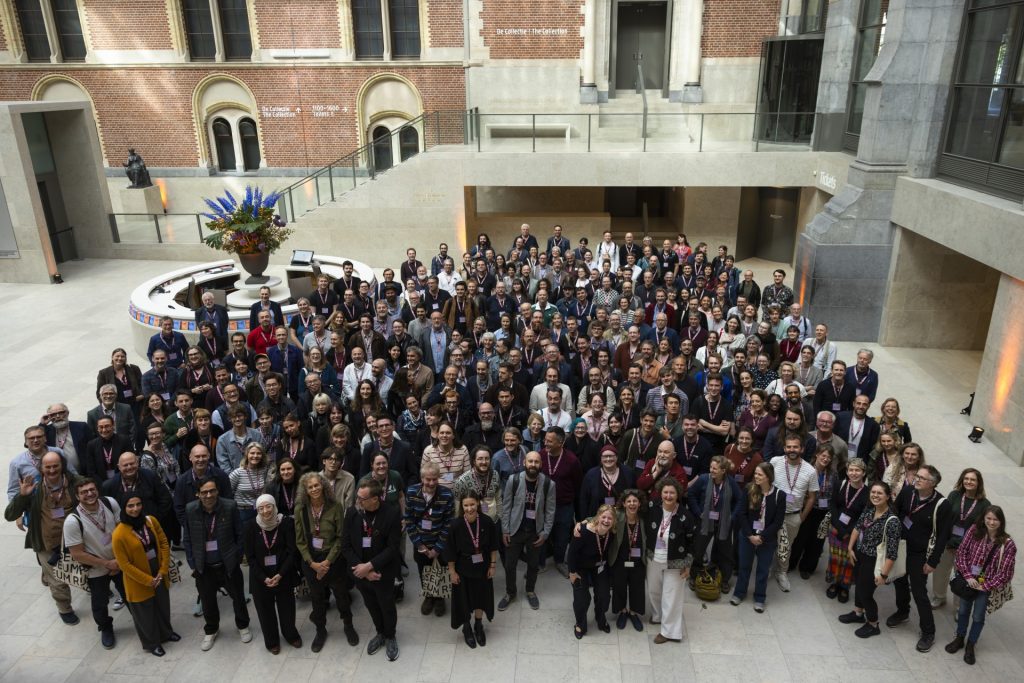
These are not hypothetical questions: those are challenges that we face every day, and finding answers is precisely what brought Pol Guiu Alargé, our 3D heritage specialist, to the 2D3DPhotography conference organized by the Rijksmuseum held from 20 to 22 May in —one of the leading international events dedicated to 3D documentation for GLAM institutions.
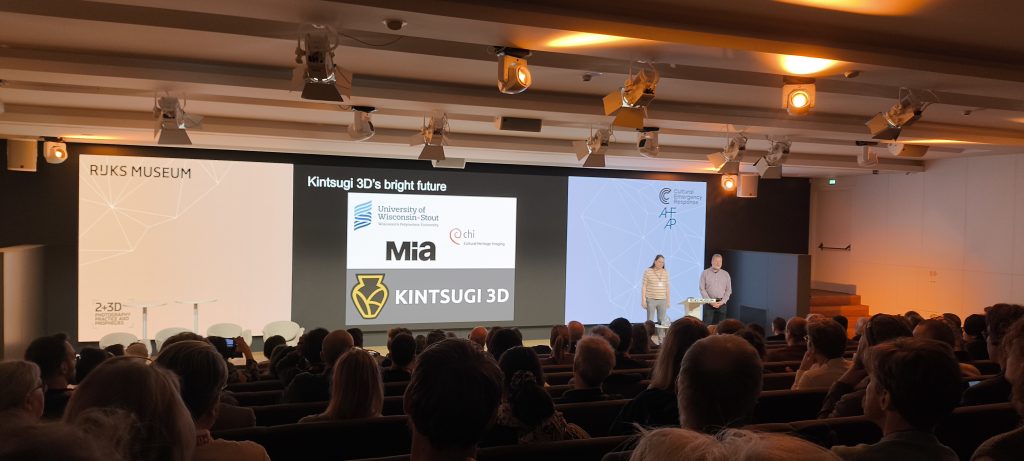
Throughout the conference, inspiring ideas, workflows and technologies were shared, bringing a real breath of fresh air to the heritage sector. It was a brief but intense international experience that allowed us to discover first-hand the latest trends, methodologies and strategies in the field of heritage digitisation.
We were also very pleased to see our work presented as part of the conference programme. In a presentation by David Iglésias and Axelle Vanmaele, our 3D digitisation work on daguerreotypes and pre-cinematographic heritage, developed within the framework of the EUreka3D project, was shared as a successful pilot in the digitisation of highly reflective and specular objects.
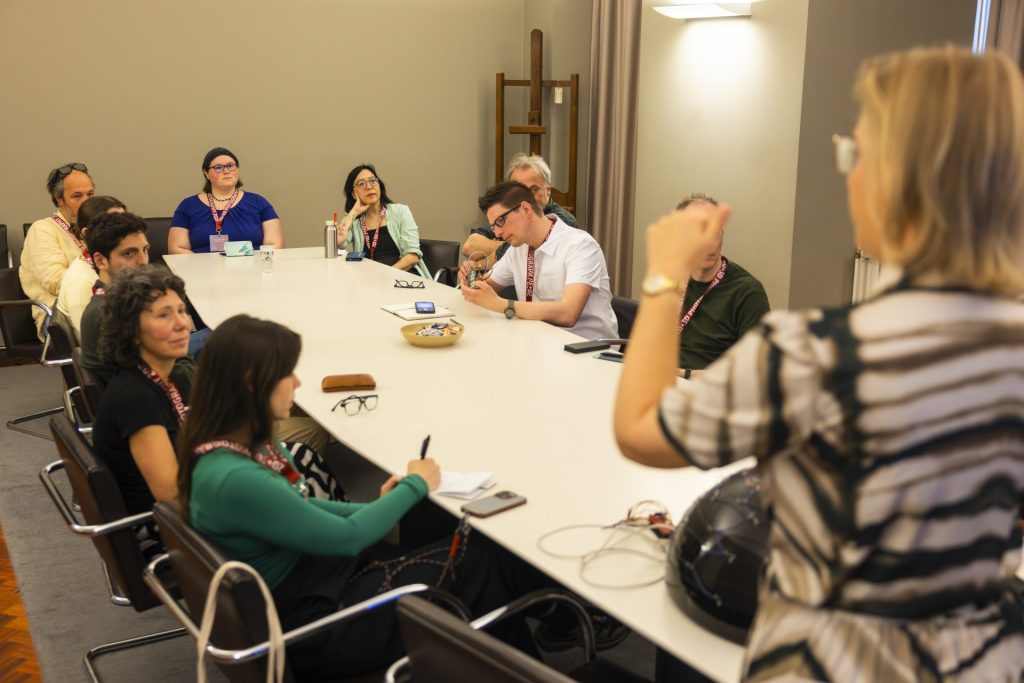
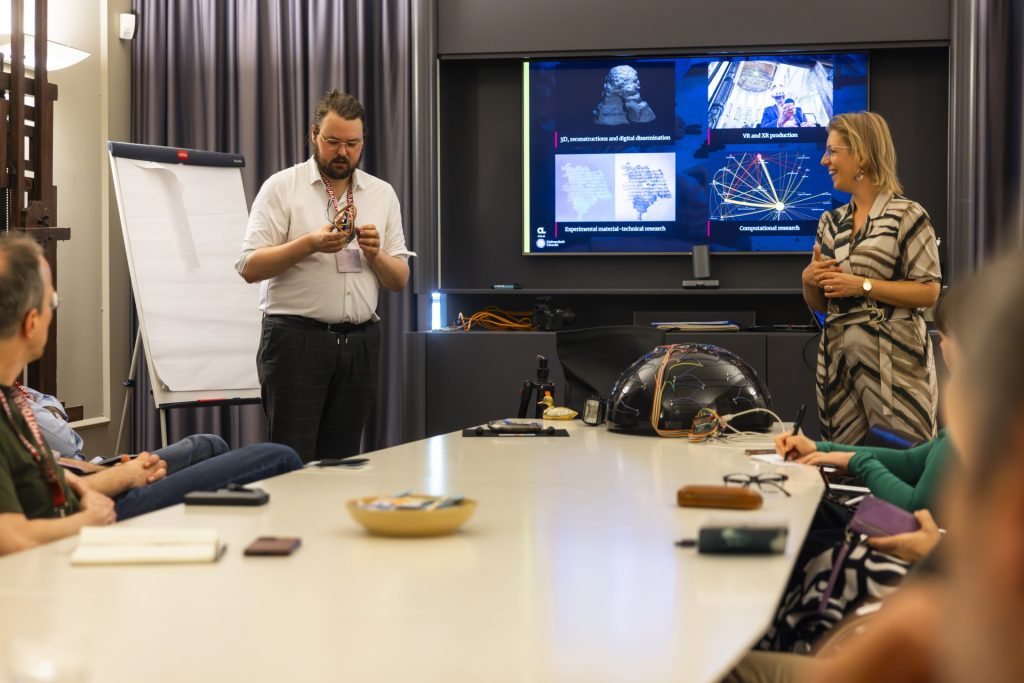
One of the most valuable aspects of the event was the opportunity to take part in workshops aimed at strengthening our capacity building and incorporating new techniques into our documentation processes. Among other things, we learned how to carry out a complete RTI —Reflectance Transformation Imaging— workflow, a 2.5D digitisation technique that is especially useful for documenting barely visible or hard-to-read surfaces. This methodology has particularly relevant applications in fields such as numismatics, epigraphy and the study of engravings.
We also had the opportunity to learn first-hand about the workflows of the open-source software Kintsugi 3D Builder, a tool that enables the automated creation of normal, metallic and roughness textures with a level of precision far beyond that of some standard processes in photogrammetry and 3D modelling.
We also had the opportunity to learn first-hand about the workflows of the open-source software Kintsugi 3D Builder, a tool that enables the automated creation of normal, metallic and roughness textures with a level of precision far beyond that of some standard processes in photogrammetry and 3D modelling.
We return with many lines of work to explore and with a renewed conviction that 3D is much more than a technology: it is also a language capable of connecting heritage with diverse audiences and making it more accessible, understandable and alive. We will continue working to place technology at the service of culture, research and collective memory.